









The Environmental Benefits of Using Aluminum in Building Materials
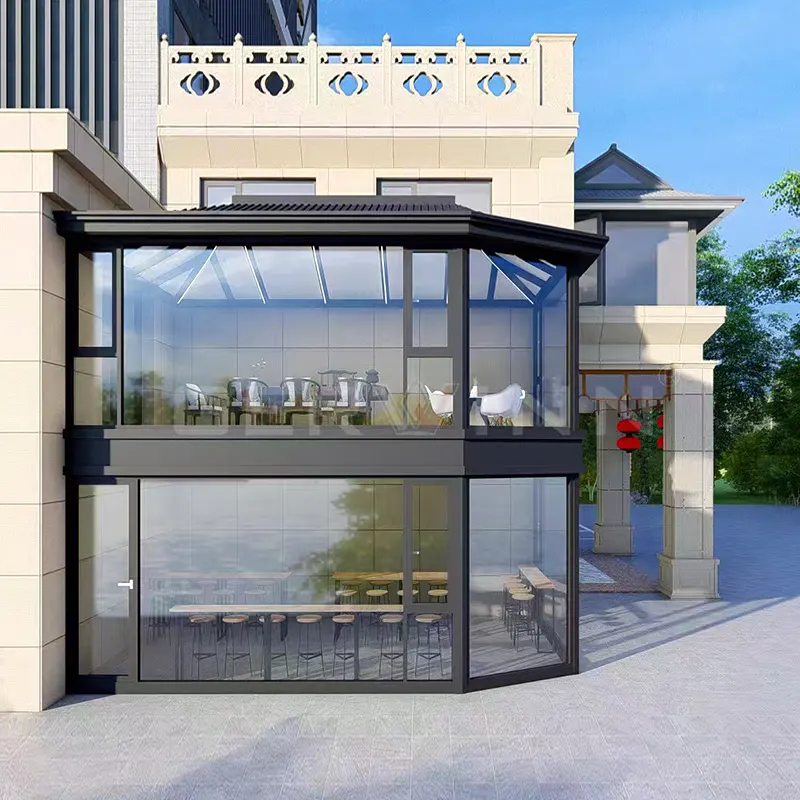
Sustainability has become a central focus in modern construction, driving architects, developers, and manufacturers to seek materials that balance performance with environmental responsibility. Among the many options available, aluminum stands out as one of the most sustainable and forward-thinking building materials. Its unique combination of recyclability, durability, and energy efficiency makes aluminum an environmentally responsible choice for doors, windows, façades, gates, and other structural applications. One of the most significant environmental benefits of aluminum is its recyclability. Aluminum can be recycled repeatedly without losing its structural integrity or performance characteristics. Unlike many other materials that degrade during the recycling process, aluminum retains its quality, making it ideal for circular economy practices. Recycling aluminum requires only a fraction of the energy needed to produce primary aluminum, significantly reducing carbon emissions and conserving natural resources. This ability to be reused indefinitely makes aluminum a long-term sustainable solution in construction.
Durability is another key environmental advantage. Aluminum building materials are highly resistant to corrosion, moisture, UV exposure, and temperature fluctuations. This long service life reduces the need for frequent replacement, repairs, or refinishing, which in turn lowers material consumption and waste generation over time. Buildings constructed with durable aluminum components experience fewer maintenance cycles, contributing to reduced environmental impact throughout the structure’s lifecycle. Energy efficiency also plays a vital role in aluminum’s environmental performance. Modern aluminum systems, particularly for doors and windows, incorporate thermal break technology and advanced glazing solutions that significantly improve insulation. By reducing heat transfer, aluminum window and door systems help maintain stable indoor temperatures, decreasing reliance on heating and cooling systems. Lower energy consumption translates into reduced greenhouse gas emissions and operational costs, supporting both environmental and economic sustainability.
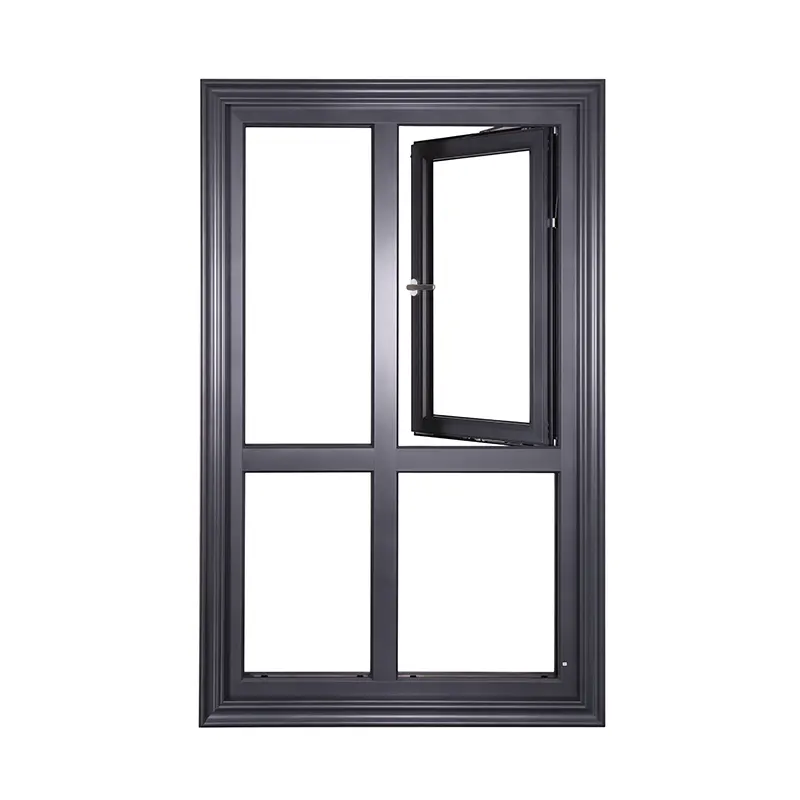
In addition to operational energy savings, aluminum contributes to improved natural lighting. Slim yet strong aluminum frames allow for larger glass surfaces, maximizing daylight penetration. Increased natural light reduces the need for artificial lighting during daytime hours, further lowering energy usage. Access to natural light also enhances occupant comfort and productivity, adding social sustainability benefits to its environmental advantages. Aluminum’s lightweight nature also reduces environmental impact during transportation and installation. Compared to heavier materials, aluminum components require less fuel for shipping and are easier to handle on-site. This efficiency lowers transportation emissions and simplifies construction processes. The combination of strength and lightness allows for efficient structural design while minimizing resource consumption.
Another important consideration is aluminum’s compatibility with modern green building standards. Many sustainable construction certifications recognize the use of recyclable materials and energy-efficient systems. Aluminum products, when manufactured responsibly, contribute positively to achieving environmental certifications and meeting regulatory requirements. Manufacturers increasingly adopt eco-friendly production methods, further enhancing aluminum’s sustainability profile. Waste reduction during fabrication is also a benefit. Aluminum can be precisely engineered and cut with minimal material loss. Offcuts and scrap generated during manufacturing can be collected and recycled, ensuring efficient material utilization. This process supports resource conservation and reduces landfill waste associated with construction projects.
From a long-term perspective, aluminum’s adaptability ensures that buildings can be renovated or upgraded without complete material replacement. Its flexibility allows for modifications, refurbishments, and system upgrades, extending the lifespan of building components. This adaptability aligns with sustainable design principles that prioritize longevity and resource efficiency.
As the construction industry continues to prioritize environmental responsibility, aluminum remains a leading material choice. Its recyclability, durability, energy efficiency, and reduced lifecycle impact make it a sustainable option for modern building materials. By incorporating aluminum into architectural design, developers and homeowners not only benefit from high performance and aesthetic flexibility but also contribute to a more sustainable and environmentally conscious future.