









Comparing Aluminum and Wrought Iron Fencing: Which is Best for Your Property?
When selecting a fencing solution for your property, choosing the right material is essential—not only for aesthetics, but also for durability, cost, maintenance, and long-term value. Among the most popular options on the market today are aluminum and wrought iron fencing. Both offer distinct advantages, yet they serve different purposes depending on the property type and owner priorities. Understanding how aluminum and wrought iron compare across key performance areas can help you make an informed decision that aligns with your design goals and functional needs. Aluminum fencing has grown in popularity due to its combination of strength and lightweight properties. Made from high-quality aluminum alloys, these fences resist corrosion and environmental damage, making them especially well-suited for coastal regions or areas with high humidity. Unlike steel or iron, aluminum does not rust, which significantly reduces long-term maintenance requirements. For homeowners and businesses that value durability with minimal upkeep, aluminum fencing offers a practical solution that lasts for years with little intervention.
Wrought iron, on the other hand, is known for its classic, timeless appeal. Traditional wrought iron fences have been used for centuries and remain synonymous with stately architecture and ornamental design. The inherent strength of wrought iron delivers robust protection and an imposing presence, which appeals to properties seeking grandeur or historic character. Custom wrought iron fencing often includes detailed scroll work, decorative finials, and artistic patterns that can elevate a property’s visual impact in ways few other materials can match. When it comes to maintenance, aluminum fencing has a clear advantage. Aluminum’s resistance to rust means that annual repainting or rust treatment is unnecessary in most environments. Simple cleaning and occasional inspection are typically all that’s required to keep the fence looking new. Wrought iron fencing, by contrast, will often require regular maintenance including rust prevention treatments, repainting, and occasional repairs to welds or decorative elements. Properties in wetter climates may find this maintenance burden increasingly demanding over time.
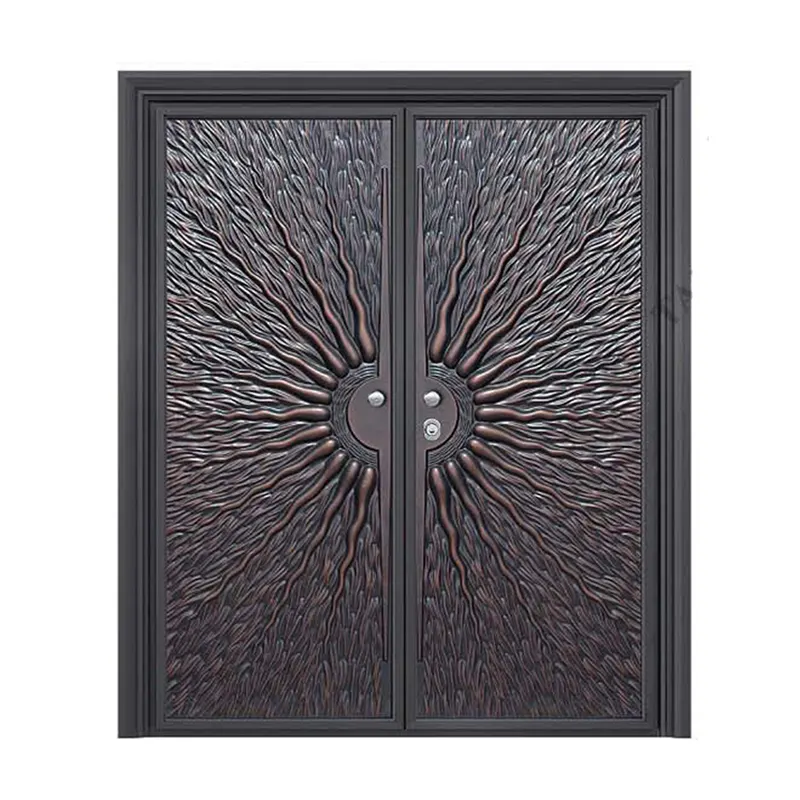
Security and strength are critical considerations for many property owners. Wrought iron naturally offers greater rigidity and impact resistance due to its denser material and heavier structure. For properties needing heightened protection, such as large estates or high-security commercial sites, wrought iron fencing can deliver a sense of security that is difficult to replicate. Aluminum fencing, while strong and reliable for everyday use, is typically lighter and may not provide the same level of physical deterrence as heavy wrought iron. In terms of customization, both materials offer creative possibilities, but they differ in expression. Aluminum fencing can be crafted into sleek, modern profiles or traditional designs, and it is easily powder-coated in a wide array of colors to match architectural styles. Its adaptability makes it an excellent option for contemporary homes, community developments, and commercial landscapes. Wrought iron, meanwhile, excels in ornamental customization—artisans can shape it into intricate patterns and bespoke motifs, giving each installation a unique artistic identity.
Cost is another key factor in the comparison. Aluminum fencing is generally more cost-effective, both in terms of initial installation and long-term investment. The lower material weight reduces transportation and installation labor costs, while minimal maintenance reduces life-cycle expenses. Wrought iron, due to its heavier weight and craftsmanship requirements, tends to be more expensive upfront and may incur additional costs over time due to maintenance and refinishing. Environmental performance should also be taken into account. Aluminum is highly recyclable and uses significantly less energy when recycled compared to producing new material. Its long lifespan and low maintenance contribute to reduced material waste over time. Wrought iron also has recyclable properties, but its higher maintenance requirements and susceptibility to rust can lead to more frequent repainting and repairs, which involve additional materials and environmental impact.
Ultimately, the choice between aluminum and wrought iron fencing comes down to your priorities. If you prefer a low-maintenance, corrosion-resistant option with modern versatility and strong performance, aluminum fencing is an excellent choice for both residential and commercial properties. If you seek maximum strength, timeless aesthetics, and artisanal detail that contributes a historic or grand presence, wrought iron fencing stands out as an enduring classic. Both materials offer distinctive benefits, and the best choice depends on your property’s style, location, and intended use. By carefully evaluating factors like durability, design, maintenance, cost, and environmental impact, you can select a fencing solution that enhances both the function and beauty of your space for years to come.