









How Aluminum Security Doors Combine Protection with Contemporary Design
Security is an essential consideration when selecting an entrance door, but modern property owners no longer want to sacrifice appearance for protection. Today, security doors are expected to provide reliable resistance against unauthorized access while also complementing the architectural style of a building. Aluminum security doors offer an effective solution by combining durable construction, advanced security features, modern aesthetics, and extensive customization options. One of the primary advantages of aluminum security doors is their strong yet lightweight construction. Aluminum provides an excellent strength-to-weight ratio, allowing manufacturers to produce robust door frames and panels without creating unnecessarily heavy structures. This makes aluminum security doors suitable for residential properties, commercial buildings, villas, offices, and other projects where both security and ease of operation are important.
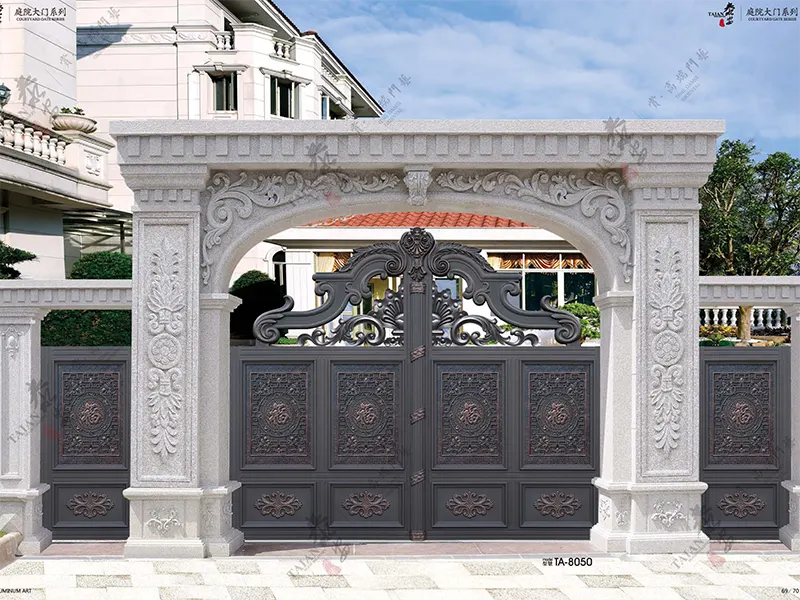
Contemporary design is another important characteristic of modern aluminum security doors. Instead of relying on bulky or purely functional designs, manufacturers can create doors with clean lines, slim profiles, geometric patterns, and large panels. These features allow security doors to become an attractive architectural element rather than simply a protective barrier. A carefully designed aluminum door can enhance the entrance while maintaining the property's overall visual identity. Customization provides even greater flexibility. Every building has different architectural requirements, entrance dimensions, and security expectations. Custom aluminum security doors can be produced in different sizes, configurations, colors, and decorative styles. Clients can select panel designs, glass options, handles, locking systems, and surface finishes according to their specific project. This makes it possible to create a security door that fits naturally into both modern and traditional architecture.
Advanced locking systems are another important part of contemporary security door design. Aluminum doors can incorporate multi-point locking mechanisms, reinforced hardware, high-quality cylinders, and other access-control components. These features help create a stronger barrier against unauthorized entry while maintaining a clean exterior appearance. For high-end properties, smart access technologies can also be integrated to provide greater convenience and control. Smart technology is increasingly changing the way security doors operate. Modern aluminum security doors can work with keypads, RFID systems, biometric access, smartphone applications, video intercoms, and other electronic access solutions. Property owners can manage entry permissions and monitor access more conveniently, while businesses can establish different access levels for employees, visitors, and authorized personnel.
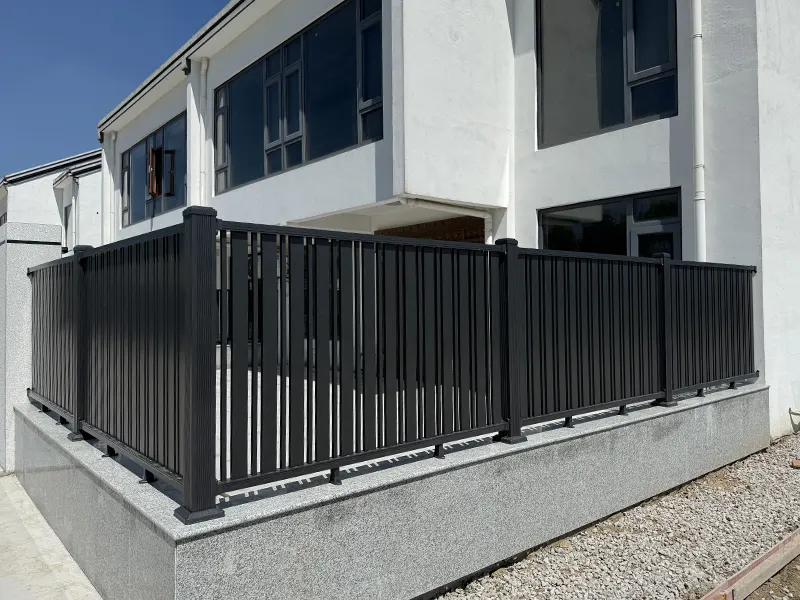
Glass integration demonstrates how security and aesthetics can work together. Modern security doors can incorporate appropriately specified glazing to introduce natural light without compromising the overall design concept. Decorative, frosted, textured, or other specialized glass options can create visual interest while providing privacy. When combined with aluminum frames, glass can produce a bright and sophisticated entrance suitable for contemporary buildings. Surface finishing also contributes to both protection and appearance. Powder coating and other finishing technologies provide aluminum security doors with a wide range of colors and textures. Finishes can be selected to coordinate with the building façade, windows, gates, railings, and other exterior elements. A consistent finish across these components creates a cohesive architectural appearance while helping protect the aluminum surface from everyday environmental exposure.
Weather resistance is another valuable feature for exterior security doors. Entrance systems are exposed to rain, humidity, sunlight, wind, and temperature changes throughout their service life. Aluminum's natural corrosion resistance makes it a practical material for these demanding applications. With suitable sealing and surface treatment, aluminum security doors can provide reliable long-term performance while requiring relatively little maintenance. Energy efficiency can also be incorporated into modern security door systems. Thermal break technology, insulated panels, suitable glazing, and effective sealing systems can help reduce unwanted heat transfer. This can improve indoor comfort and support more efficient building operation. For luxury residences and commercial properties, combining security with thermal performance creates a more complete entrance solution.
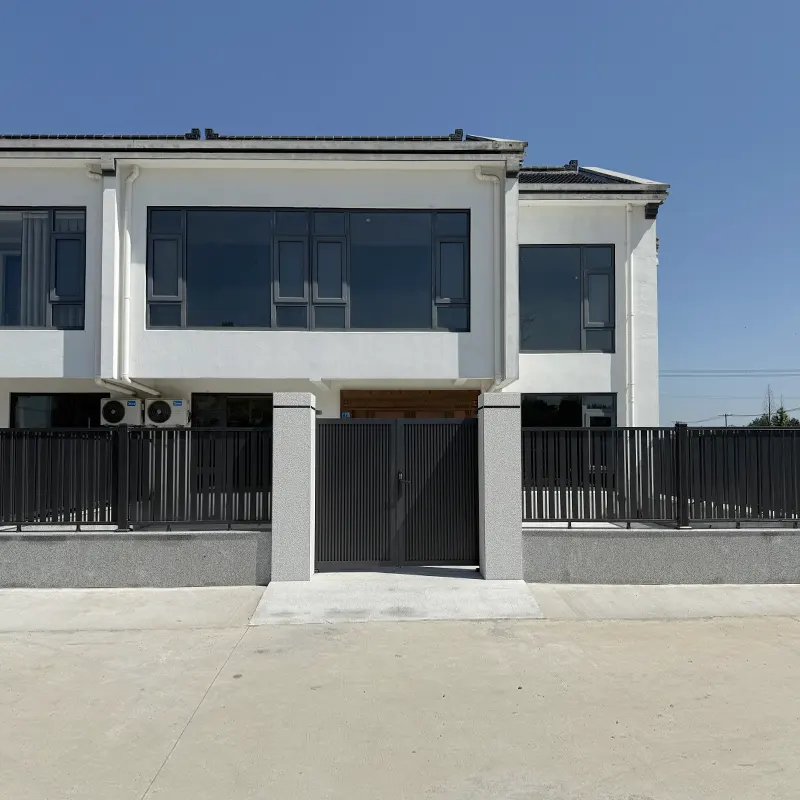
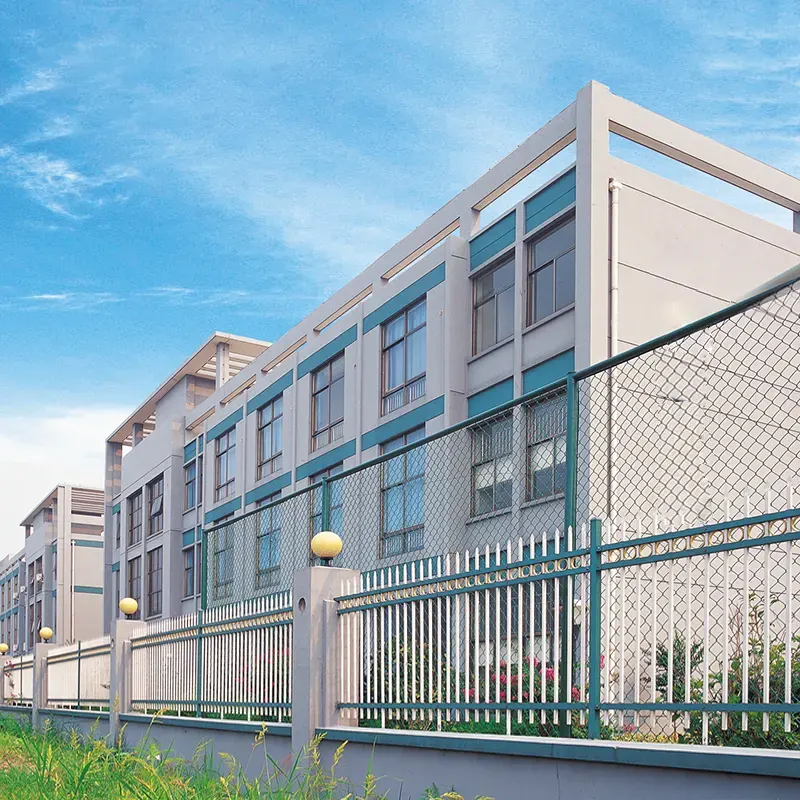
The visual relationship between a security door and the rest of the property should also be carefully considered. A door that matches the style of surrounding windows, gates, fencing, and railings can create a unified exterior. For example, a minimalist aluminum security door with a matching aluminum gate can establish a consistent contemporary design, while customized decorative elements can provide a more traditional or luxurious appearance. For high-end architectural projects, the quality of manufacturing is just as important as the design itself. Precise fabrication, accurate assembly, reliable hardware, and careful quality control all contribute to the final performance of the door. Experienced manufacturers can combine engineering requirements with decorative details to create products that are both attractive and dependable.
Jiangsu Taisheng Copper Door & Window Co., Ltd. has specialized in high-end doors, windows, gates, railings, sunrooms, and security-related exterior products since 1993. Its focus on customized manufacturing allows different architectural projects to obtain solutions that balance appearance, functionality, durability, and security. Ultimately, aluminum security doors demonstrate that strong protection does not have to come at the expense of contemporary design. Through high-quality materials, precision engineering, advanced access technologies, customized finishes, and thoughtful architectural design, these doors can provide dependable security while enhancing the character of a property. For homeowners, architects, and developers seeking a modern entrance solution, a well-designed aluminum security door offers an attractive combination of protection, performance, and lasting visual appeal.