









What Makes a High-End Aluminum Door Different from a Standard Entrance Door?
A high-end aluminum door is more than an entrance feature; it is a carefully engineered architectural element designed to combine aesthetics, durability, security, and long-term performance. While standard entrance doors are often manufactured according to fixed dimensions and basic specifications, premium aluminum doors are typically developed with greater attention to material quality, engineering precision, customization, and finishing. Understanding these differences can help homeowners, architects, and developers make better decisions for luxury residential and commercial projects. One of the most noticeable differences is the quality of the aluminum profiles. High-end doors generally use carefully selected aluminum profiles that provide a strong balance between structural strength and weight. This allows manufacturers to create large or visually impressive entrance doors without making them unnecessarily heavy. High-quality profiles can also support more precise fabrication, helping the finished door maintain proper alignment and reliable operation over time.
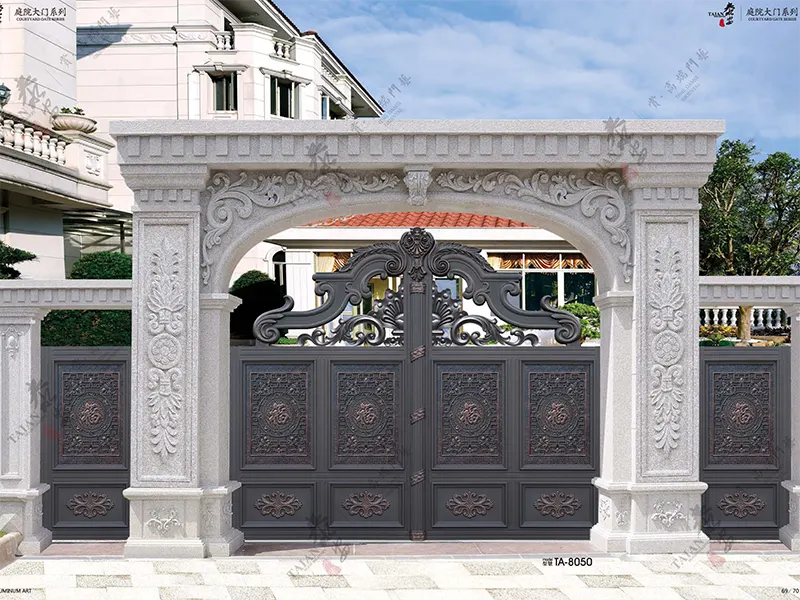
Design flexibility is another characteristic that distinguishes premium aluminum doors. Standard entrance doors are commonly available in a limited selection of sizes, colors, and styles. High-end aluminum doors, by contrast, can be customized according to the architectural requirements of a project. Dimensions, panel configurations, decorative patterns, frame styles, surface finishes, glazing options, and hardware can all be selected to create a distinctive entrance that complements the building. Precision manufacturing also plays an important role in premium door quality. High-end doors require accurate cutting, machining, assembly, and finishing to ensure that every component fits correctly. Precision production helps minimize gaps, alignment problems, and operational issues. For large custom doors in particular, manufacturing accuracy is essential for achieving smooth movement and maintaining structural stability.
Security is another major consideration. A high-end aluminum entrance door can incorporate reinforced frames, durable locking mechanisms, multi-point locking systems, stronger hinges, and other security components. These features can be integrated into the overall design without making the entrance look overly industrial. The result is a door that provides protection while maintaining the refined appearance expected in luxury architecture. Surface finishing is also an important difference between premium and standard products. High-quality powder coating, anodizing, and other specialized finishing processes can provide aluminum doors with attractive colors and textures while improving resistance to weathering and everyday wear. For exterior applications, an appropriate finish helps the door maintain its appearance despite exposure to sunlight, rain, humidity, and temperature changes.
Thermal and weather performance can further distinguish high-end aluminum doors. Modern premium systems may incorporate thermal breaks, insulated panels, high-performance glass, and advanced sealing systems. These features can reduce unwanted heat transfer and improve resistance to air and water infiltration. For buildings in demanding climates, better environmental performance can contribute to greater indoor comfort and more efficient building operation. Hardware quality should not be overlooked. Hinges, handles, locks, rollers, closers, and other components directly affect how an entrance door feels and performs during everyday use. Premium doors typically use hardware selected to match the weight, size, and operating frequency of the system. High-quality components can provide smoother operation, better reliability, and longer service life.
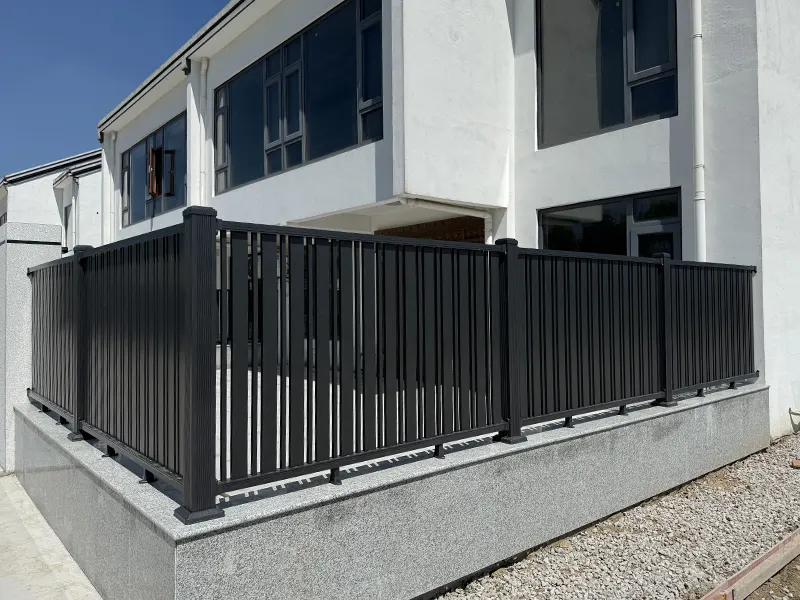
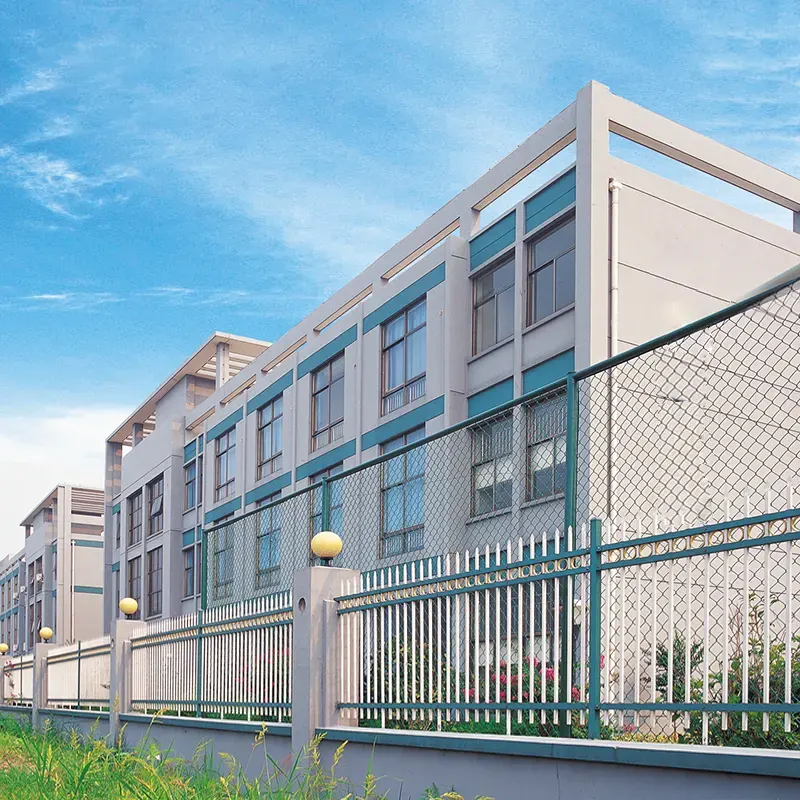
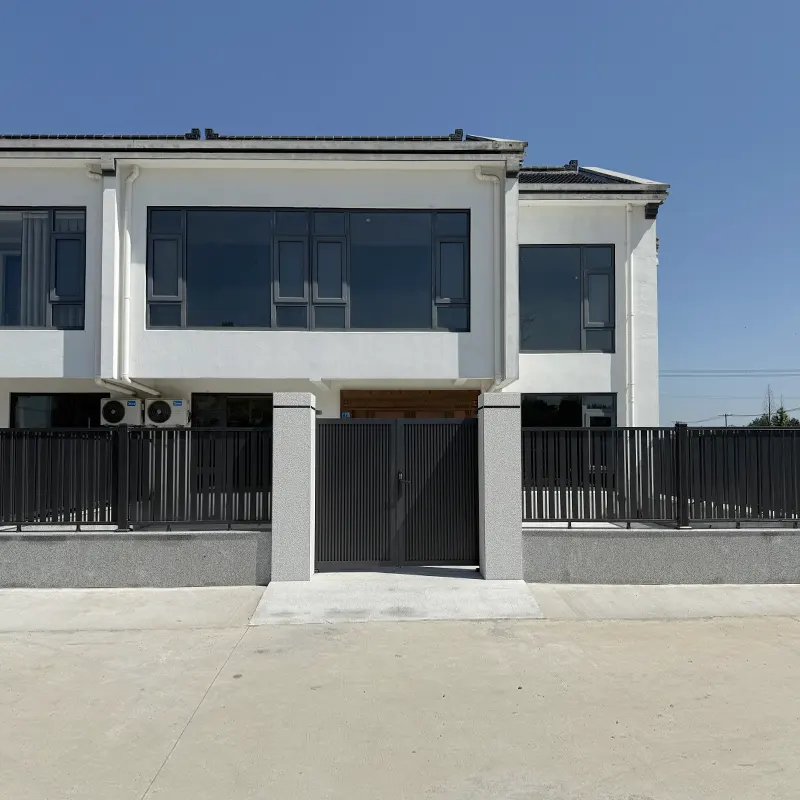
Another important difference is the level of customization available for complete architectural coordination. A high-end aluminum door can be designed to match other exterior products, including aluminum windows, gates, fencing, railings, and sunrooms. Coordinating colors, profiles, textures, and design patterns creates a unified architectural appearance throughout the property. This is especially valuable for luxury villas, hotels, commercial developments, and high-end residential projects. Manufacturing experience and quality control also contribute to the distinction between standard and high-end products. A manufacturer with extensive experience in custom aluminum architectural products can better understand the technical challenges associated with large, complex, or highly customized doors. Careful inspection throughout production helps ensure that dimensions, finishes, hardware, and assembly meet the specified requirements before the products reach the project site.
For Jiangsu Taisheng Copper Door & Window Co., Ltd., the focus on high-end doors and outdoor architectural products is supported by more than three decades of manufacturing experience since the company's establishment in 1993. Its product range includes custom aluminum gates, aluminum art railings, artistic wrought iron fences, sunrooms, and high-end roller shutter security systems, allowing customers to develop coordinated exterior solutions from an experienced manufacturer. Ultimately, the difference between a high-end aluminum door and a standard entrance door lies in the complete combination of material selection, engineering, customization, manufacturing precision, security, finishing, and long-term performance. A premium door is designed not simply to fill an entrance opening but to become an integral part of the property's architecture.