









Why Aluminum is Ideal for Coastal and High-Humidity Environments
Aluminum has become a preferred material for modern doors, windows, gates, railings, and other exterior building components, particularly in areas exposed to coastal weather and high humidity. Properties near the sea face demanding environmental conditions, including moisture, salt-laden air, strong winds, and temperature fluctuations. Choosing materials that can withstand these conditions is essential for maintaining long-term performance, appearance, and value. With its combination of corrosion resistance, durability, and design flexibility, aluminum offers an effective solution for challenging environments. One of the most important advantages of aluminum is its natural resistance to corrosion. When aluminum is exposed to air, it forms a thin protective oxide layer on its surface. This layer helps protect the underlying material from further oxidation and environmental exposure. Unlike conventional iron products that can develop rust when exposed to moisture, aluminum does not produce the same type of red iron oxide corrosion. This characteristic makes aluminum particularly suitable for exterior applications in humid and coastal regions.
Coastal environments can be especially demanding because salt particles carried by sea air can accelerate corrosion on many metal surfaces. Doors, windows, gates, and railings installed near the ocean may experience continuous exposure to salt deposits and moisture. Properly designed and finished aluminum products can provide strong resistance to these conditions. With suitable surface treatments and regular cleaning, aluminum architectural components can maintain their performance and appearance for extended periods. High humidity presents another challenge for building materials. Some materials can absorb moisture, resulting in swelling, warping, cracking, or deterioration. Aluminum is a non-porous material, meaning it does not absorb water in the same way as wood or other moisture-sensitive materials. This dimensional stability helps aluminum doors and windows maintain proper operation even in environments where humidity levels remain high throughout the year.
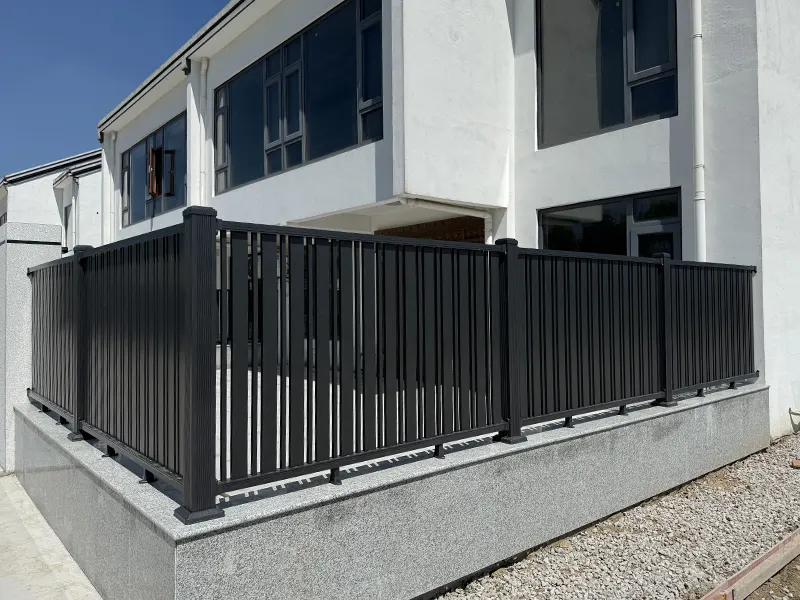
Low maintenance is another major benefit of aluminum for coastal properties. Wood doors, fences, and windows may require regular sealing or repainting to protect against moisture. Iron products may require rust prevention and periodic refinishing. Aluminum generally requires much less maintenance. Routine cleaning can remove accumulated dust, salt, and other contaminants, helping preserve the surface and supporting long-term performance. Modern finishing technologies can further improve the environmental resistance of aluminum products. Powder coating and anodizing provide additional protection while offering a wide variety of colors and surface appearances. High-quality coatings can help protect aluminum from ultraviolet exposure, weathering, scratches, and other outdoor conditions. For luxury residences, resorts, commercial buildings, and other coastal developments, these finishes also provide opportunities to coordinate doors, windows, gates, and railings with the property's architectural design.
Aluminum also provides an excellent strength-to-weight ratio. Coastal areas may experience strong winds, storms, and rapidly changing weather conditions, making structural reliability an important consideration. Aluminum is lightweight compared with many traditional metal materials while still providing sufficient strength for a wide range of architectural applications. Proper engineering, profile selection, and professional installation are essential to ensure that the finished system meets the project's structural and performance requirements. Thermal performance is another consideration for properties located in warm coastal climates. Modern aluminum windows and doors can incorporate thermal break technology, insulated glazing, and advanced sealing systems. These features help reduce unwanted heat transfer between indoor and outdoor environments. By improving insulation and reducing air leakage, properly designed aluminum systems can contribute to greater indoor comfort and more efficient building operation.
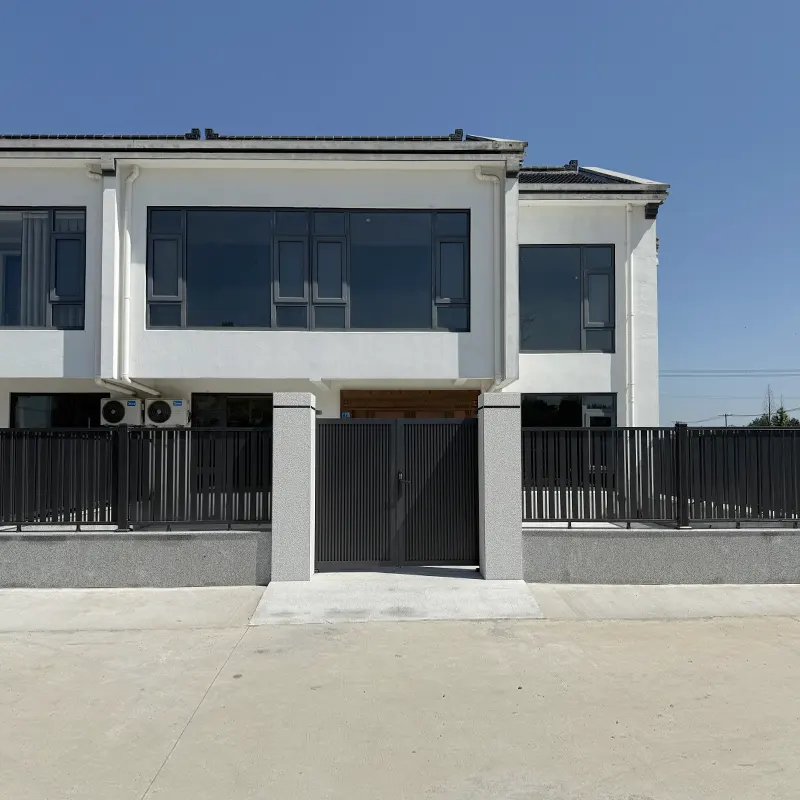
The design flexibility of aluminum is particularly valuable for contemporary coastal architecture. Aluminum profiles can be fabricated into sliding doors, folding systems, large windows, entrance doors, gates, and decorative railings. A wide range of colors, finishes, configurations, and dimensions allows architects and property owners to create customized solutions. This makes aluminum suitable for everything from modern beachfront villas to hotels, resorts, commercial buildings, and high-end residential developments. Sustainability also contributes to aluminum's long-term appeal. Aluminum can be recycled repeatedly while retaining its fundamental material properties. Its long service life reduces the frequency of replacement, while its low-maintenance characteristics can help reduce the resources required for ongoing upkeep. For projects seeking more sustainable building solutions, aluminum can therefore form an important part of an environmentally conscious material strategy.
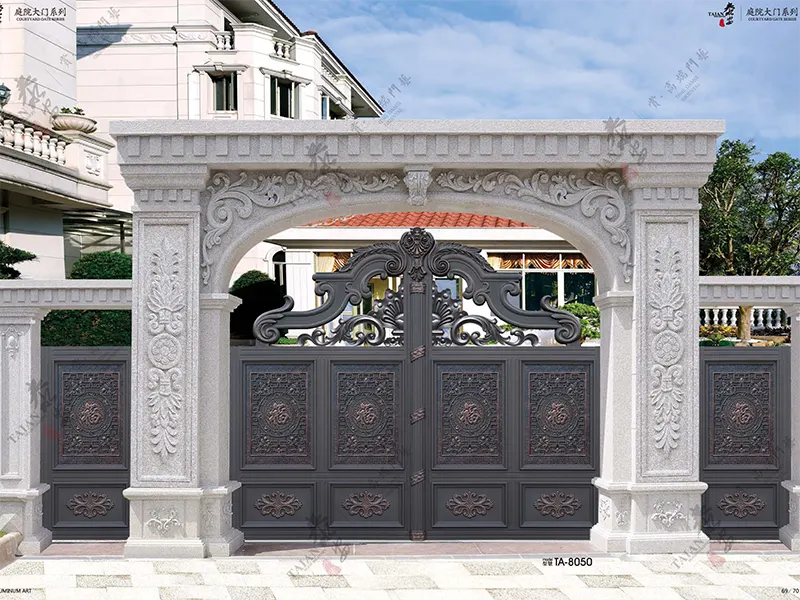
For manufacturers such as Jiangsu Taisheng Copper Door & Window Co., Ltd., aluminum provides an excellent foundation for developing customized exterior architectural products. With expertise in custom aluminum gates, railings, doors, windows, sunrooms, and related building solutions, manufacturers can adapt designs to different climates, architectural requirements, and project specifications. Ultimately, aluminum is an excellent choice for coastal and high-humidity environments because it combines corrosion resistance, moisture stability, durability, low maintenance, and design versatility. When supported by appropriate material selection, protective finishes, quality manufacturing, and proper installation, aluminum doors, windows, gates, and railings can provide reliable long-term performance while maintaining an attractive appearance. For property owners and developers working in demanding climates, aluminum offers a practical balance between functionality, aesthetics, and long-term value.