

How Outdoor Architectural Elements Influence First Impressions
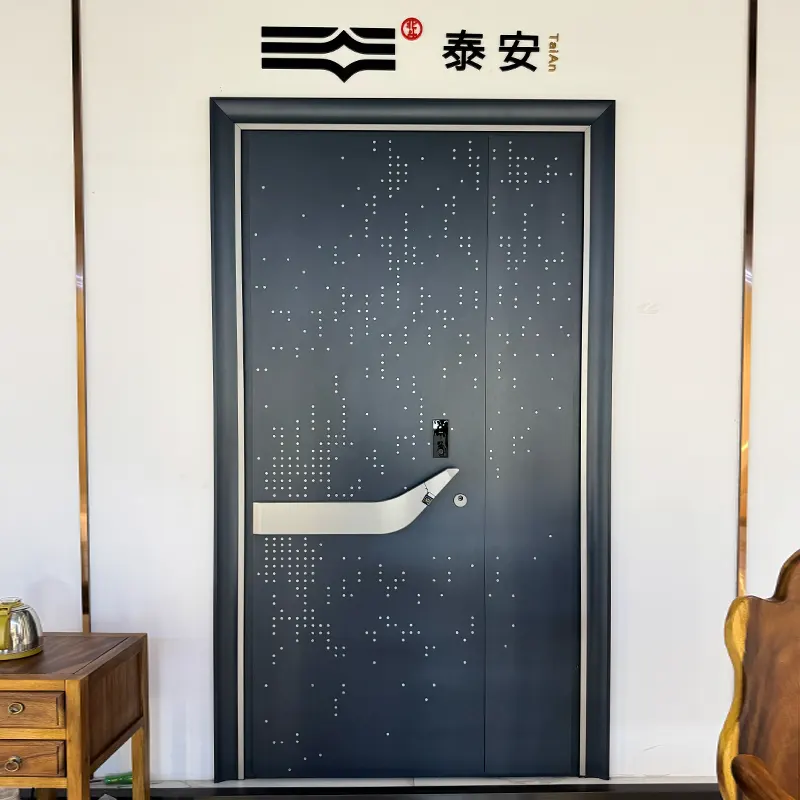
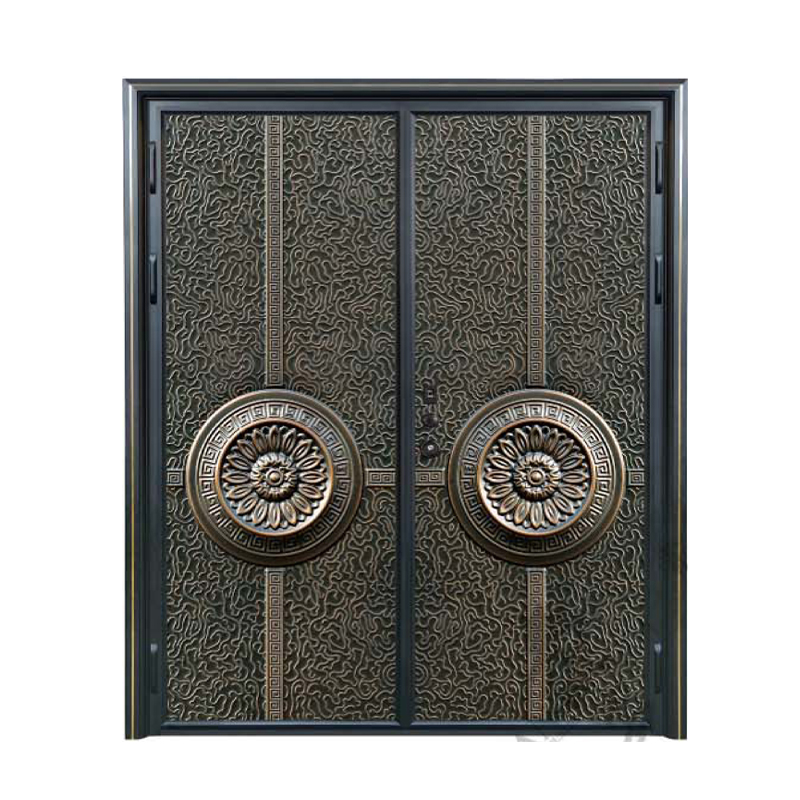
Outdoor architectural elements play a vital role in shaping first impressions of a property. Before visitors step inside a home, office, hotel, or commercial building, they form opinions based on what they see from the exterior. Elements such as gates, doors, windows, railings, fencing, landscaping, and lighting work together to define the character and quality of a property. A thoughtfully designed exterior creates a sense of elegance, professionalism, and attention to detail, while a poorly coordinated exterior can diminish the overall appeal of even the most impressive buildings. The entrance is often the focal point of a property’s exterior and one of the strongest contributors to first impressions. A well-designed entrance door or gate immediately communicates style, security, and architectural identity. Modern aluminum gates, decorative wrought iron doors, and custom entry systems can create a powerful visual statement that reflects the personality of the property owner or the image of a business. The entrance sets expectations for what lies beyond, making it one of the most influential architectural elements.
Windows also have a significant impact on exterior appearance. Their size, shape, frame style, and arrangement contribute to the visual balance of a building. Large modern windows can create a sense of openness and luxury, while classic window designs may emphasize tradition and elegance. Coordinating window systems with doors and other exterior elements helps establish a cohesive architectural style that enhances the property’s overall visual appeal. Railings and fencing play both functional and decorative roles in shaping first impressions. Beyond providing safety and security, these elements define boundaries and frame the property visually. Decorative railings and fences can add sophistication and character, especially when customized to complement the building’s architecture. Clean lines and modern finishes create a contemporary appearance, while ornamental metalwork introduces timeless elegance and craftsmanship.
Material selection is another key factor in exterior perception. High-quality materials such as aluminum, glass, and wrought iron convey durability, value, and professionalism. Aluminum, in particular, is increasingly favored for modern architecture because of its sleek appearance, corrosion resistance, and design flexibility. Premium materials signal quality construction and long-term reliability, positively influencing how visitors perceive the property. Color coordination and surface finishes also influence emotional response and visual harmony. Neutral and balanced color palettes often create a refined and sophisticated appearance, while bold accents can highlight architectural features and create memorable focal points. Consistent finishes across doors, windows, gates, and railings help establish unity and reinforce the property’s design identity. Lighting is an often-overlooked element that dramatically affects first impressions, especially at night. Exterior lighting enhances visibility, highlights architectural details, and creates atmosphere. Well-placed lighting around entrances, pathways, and fences can make a property feel more welcoming, secure, and luxurious. Integrated lighting systems also emphasize textures and materials, adding depth and dimension to the overall exterior design.
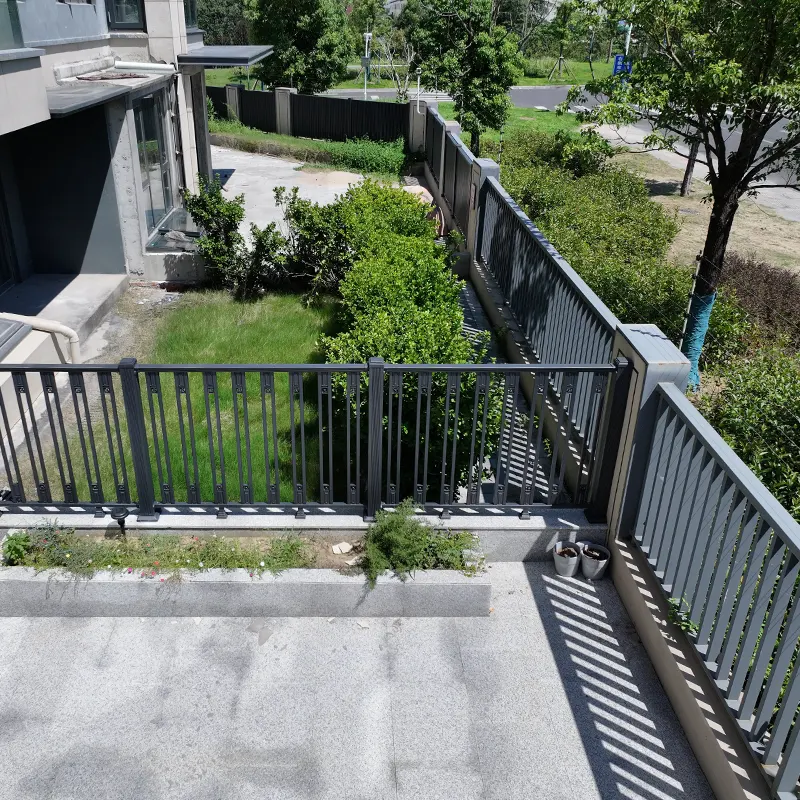
Landscaping works closely with architectural elements to shape exterior perception. Trees, plants, pathways, and decorative stonework soften structural lines and create a balanced environment. When landscaping is coordinated with gates, fences, and exterior finishes, the property feels more complete and thoughtfully designed. This harmony between architecture and landscape contributes to a stronger and more positive first impression. In commercial properties, outdoor architectural elements are especially important because they influence brand image and customer perception. A modern, well-maintained exterior suggests professionalism, reliability, and attention to quality. Hotels, office buildings, retail spaces, and luxury developments often use customized exterior features to distinguish themselves and create memorable experiences for visitors and clients.
For residential properties, exterior architectural elements contribute to comfort, pride of ownership, and property value. A visually appealing exterior not only enhances daily living but also increases curb appeal and market attractiveness. Potential buyers are often strongly influenced by exterior appearance before considering interior features, making first impressions a critical factor in real estate value. Ultimately, outdoor architectural elements are more than decorative additions—they are essential components of a property’s identity. From entrance gates and doors to windows, railings, and landscaping, every detail contributes to how a building is perceived. By carefully selecting and coordinating these elements, property owners can create exteriors that leave lasting positive impressions while reflecting quality, style, and functionality.