

How to Match Doors, Windows, and Railings for a Cohesive Exterior Design
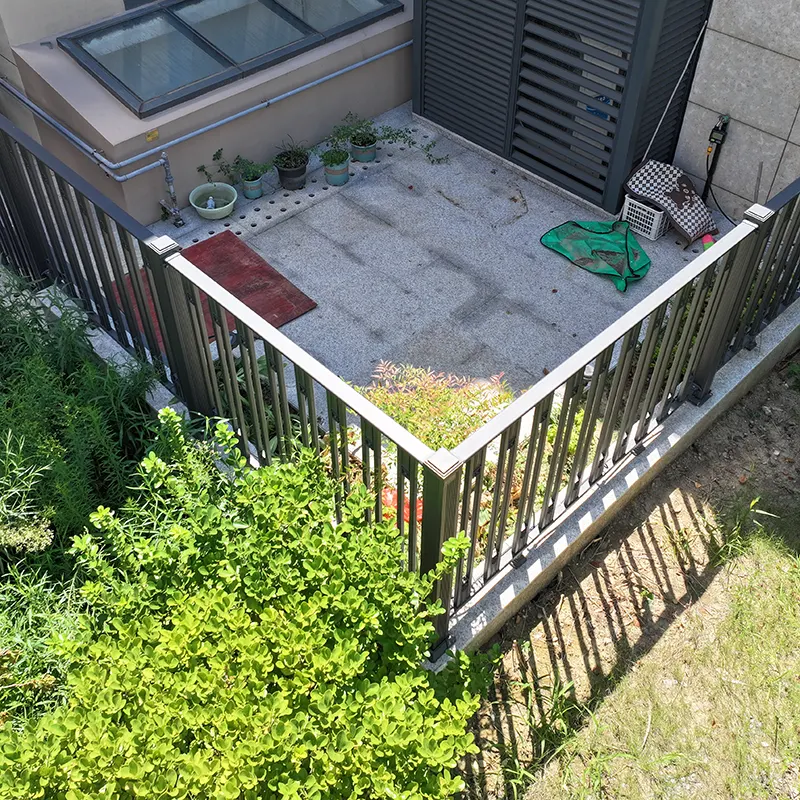
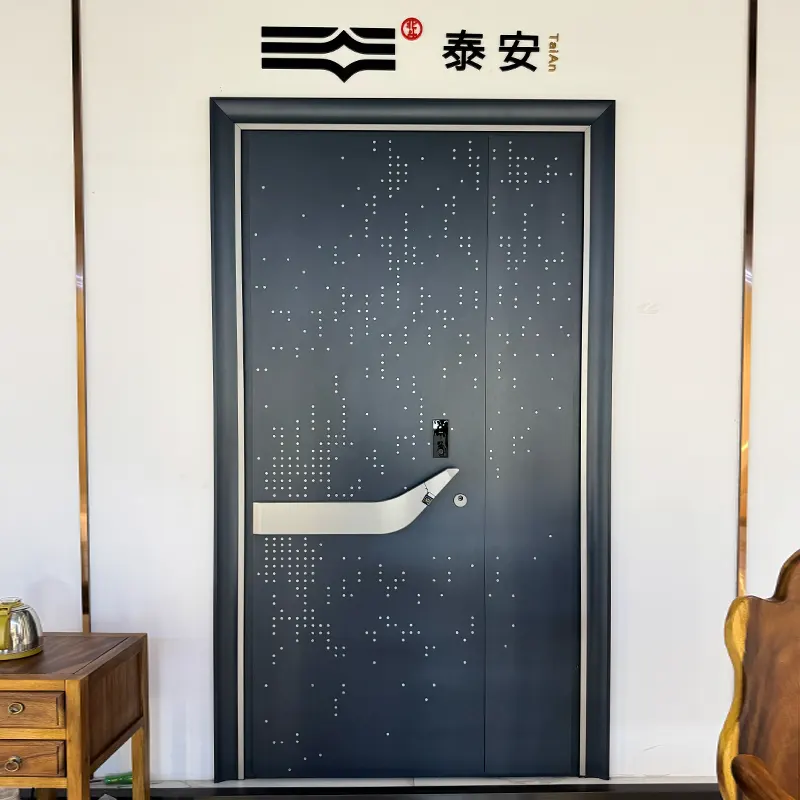
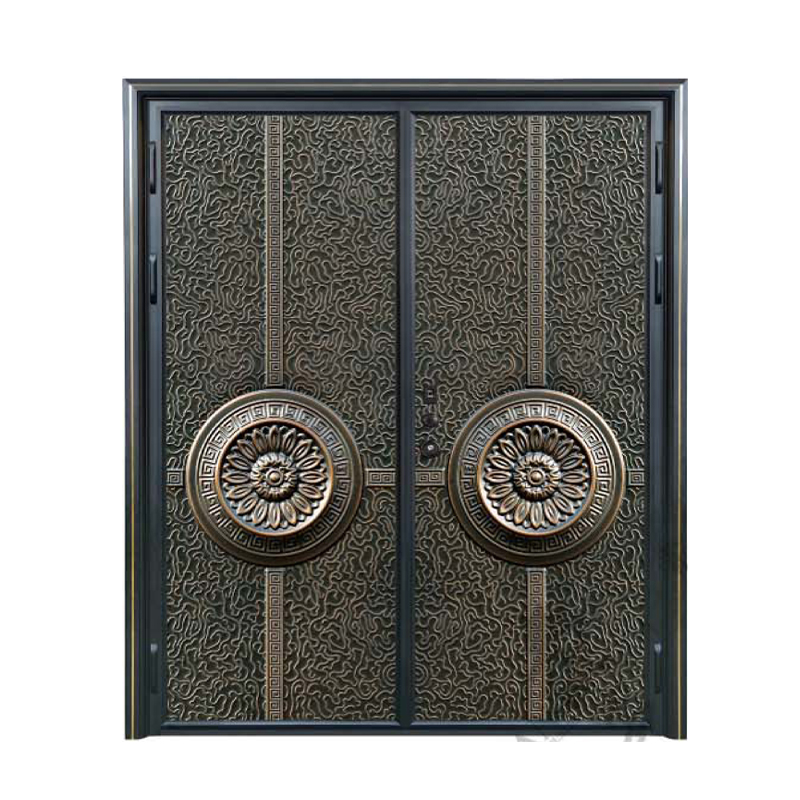
Creating a cohesive exterior design is essential for enhancing the overall appearance, value, and architectural harmony of a property. Doors, windows, and railings are among the most visible elements of a building’s exterior, and when they are carefully coordinated, they create a balanced and sophisticated look. Matching these components involves more than choosing similar colors—it requires attention to style, proportion, materials, and functionality to ensure every element works together seamlessly. The first step in achieving a cohesive exterior design is understanding the architectural style of the property. Modern, traditional, industrial, and minimalist buildings each have distinct design characteristics that influence the choice of doors, windows, and railings. For example, contemporary homes often feature slim aluminum frames, large glass panels, and clean horizontal lines, while traditional properties may incorporate decorative railings, classic door designs, and more detailed window profiles. Maintaining consistency with the architectural style creates a unified and visually pleasing appearance.
Material selection plays a major role in coordinating exterior elements. Using the same or complementary materials for doors, windows, and railings helps create visual continuity throughout the property. Aluminum is a popular choice because of its versatility, durability, and modern appearance. Matching aluminum finishes across multiple exterior components can create a refined and professional look while ensuring long-term performance. For more classic designs, combining aluminum with decorative wrought iron details can add elegance without disrupting design harmony. Color coordination is another key factor in exterior design. Consistent or complementary color palettes help tie all exterior elements together. Neutral shades such as black, gray, bronze, and white are widely used because they adapt well to different architectural styles and exterior finishes. Bold colors can also be used strategically to create focal points, particularly for entry doors. The key is ensuring that the colors of doors, windows, and railings complement each other as well as the building façade, roofing, and surrounding landscape.
Design details and shapes should also be aligned to create a cohesive appearance. The lines, patterns, and proportions of doors, windows, and railings should complement one another rather than compete visually. For example, if windows feature sleek geometric lines, the railings and door frames should reflect a similar design language. Decorative elements such as glass inserts, metal patterns, or textured finishes should be repeated subtly across different components to create consistency without overcomplicating the design. Balancing functionality with aesthetics is equally important. While visual harmony matters, doors, windows, and railings must also serve their intended purposes effectively. Windows should provide natural light and ventilation, doors should offer security and accessibility, and railings should ensure safety while enhancing the building’s appearance. Coordinating these elements through thoughtful design ensures that functionality supports the overall aesthetic rather than disrupting it.
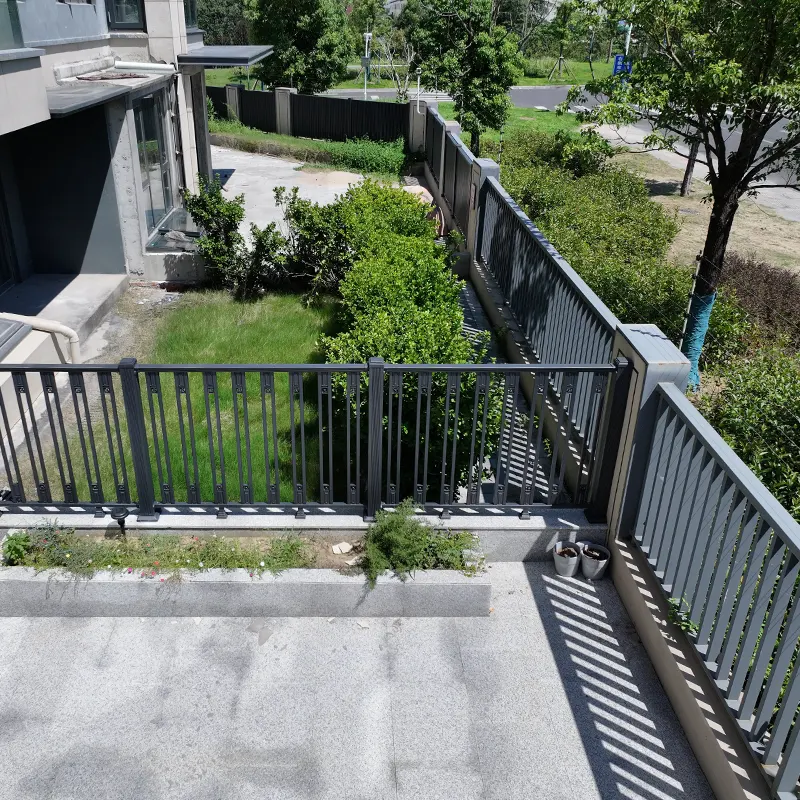
Proportion and scale are critical when matching exterior elements. Oversized doors paired with small windows or heavy railings can create visual imbalance. The dimensions of each component should be proportional to the building and to each other. Large modern windows, for example, often pair best with slim-profile railings and statement entry doors that maintain the same visual weight and style. Lighting can further enhance cohesion in exterior design. Proper exterior lighting highlights architectural features and creates a more polished appearance during the evening. Lighting fixtures should complement the style of the doors, windows, and railings, reinforcing the overall design theme. Warm, integrated lighting can emphasize textures, materials, and entry points while adding depth to the exterior.
Customization offers the greatest flexibility in achieving a unified exterior. Custom-designed doors, windows, and railings allow homeowners and architects to align every detail, from frame thickness and finishes to decorative elements and hardware. Tailored solutions ensure that all exterior features work together harmoniously while meeting specific project requirements. A cohesive exterior design not only improves curb appeal but also increases property value and creates a stronger architectural identity. When doors, windows, and railings are thoughtfully matched, the entire property appears more refined, balanced, and professionally designed. This coordinated approach transforms individual building components into a complete exterior statement that reflects both style and quality.
By carefully considering materials, colors, proportions, and architectural style, property owners can successfully match doors, windows, and railings for a cohesive exterior design. The result is an exterior that feels unified, functional, and visually impressive, creating a lasting impression while enhancing the comfort and value of the property.