

Why Aluminum is Ideal for Coastal and High-Humidity Environments
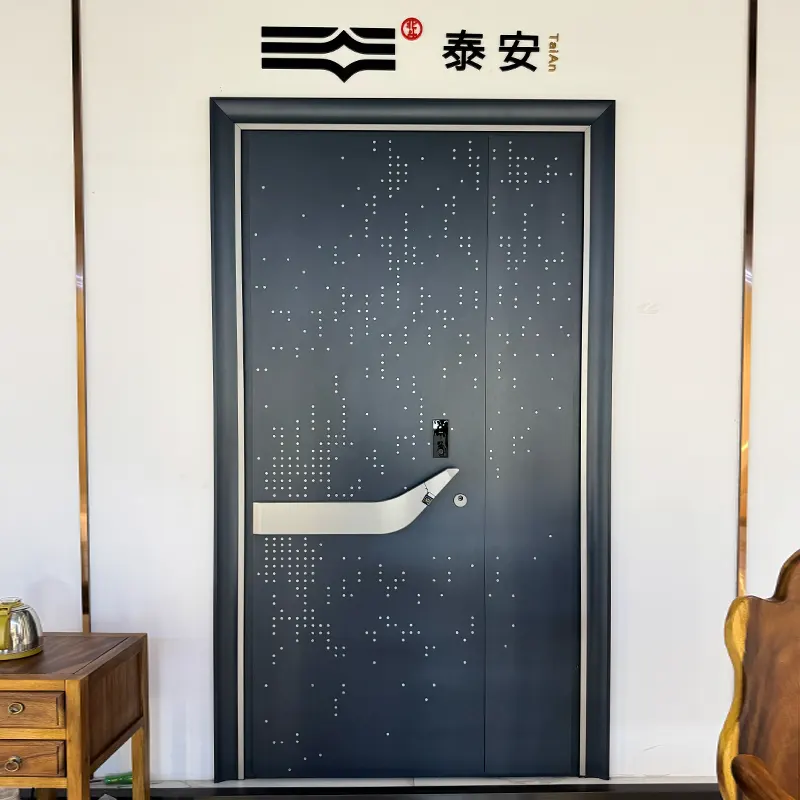
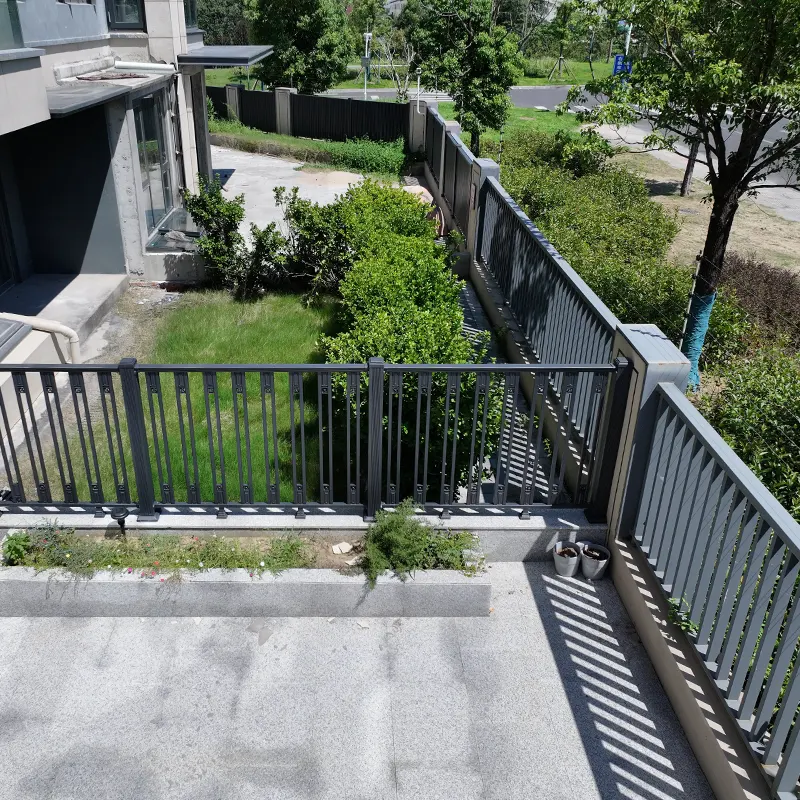
Coastal and high-humidity environments present unique challenges for building materials. Constant exposure to moisture, salt-laden air, strong winds, and fluctuating temperatures can accelerate wear and reduce the lifespan of many construction products. Choosing the right materials is essential to ensure long-term durability, performance, and aesthetic appeal. Among the various options available, aluminum has emerged as one of the most reliable and practical materials for doors, windows, gates, railings, and other architectural applications in these demanding environments. One of the most significant advantages of aluminum is its exceptional resistance to corrosion. Unlike traditional steel or iron, aluminum naturally forms a protective oxide layer when exposed to air. This layer acts as a barrier against moisture and environmental contaminants, preventing rust and deterioration. In coastal regions where saltwater exposure is a constant concern, this natural corrosion resistance makes aluminum a far more durable choice than many alternative materials.
Salt air is particularly harsh on exterior building components. Over time, salt particles carried by wind can settle on surfaces and accelerate the corrosion process in susceptible materials. Aluminum's resistance to this type of environmental damage helps maintain structural integrity and appearance even in properties located close to the ocean. This durability reduces the need for frequent repairs and replacements, making aluminum a cost-effective long-term investment. High humidity can also create challenges for building materials, particularly those prone to warping, swelling, or mold growth. Wood, for example, often absorbs moisture from the air, leading to dimensional changes and structural issues over time. Aluminum does not absorb moisture, allowing it to maintain its shape and performance regardless of humidity levels. This stability ensures smooth operation of doors, windows, and gates even in consistently damp climates.
Another important benefit of aluminum is its low maintenance requirements. Coastal and humid environments often demand frequent upkeep for materials such as wood and iron to prevent deterioration. Aluminum products typically require only periodic cleaning to remove dirt, salt deposits, and environmental residue. Modern powder-coated and anodized finishes further enhance protection, allowing aluminum components to retain their appearance and functionality with minimal effort. Strength and durability are also key reasons why aluminum performs well in coastal locations. Coastal properties frequently experience strong winds, storms, and severe weather conditions. Aluminum offers an excellent strength-to-weight ratio, providing structural stability without excessive weight. This combination allows aluminum doors, windows, and gates to withstand environmental stresses while maintaining ease of operation and long-term reliability.
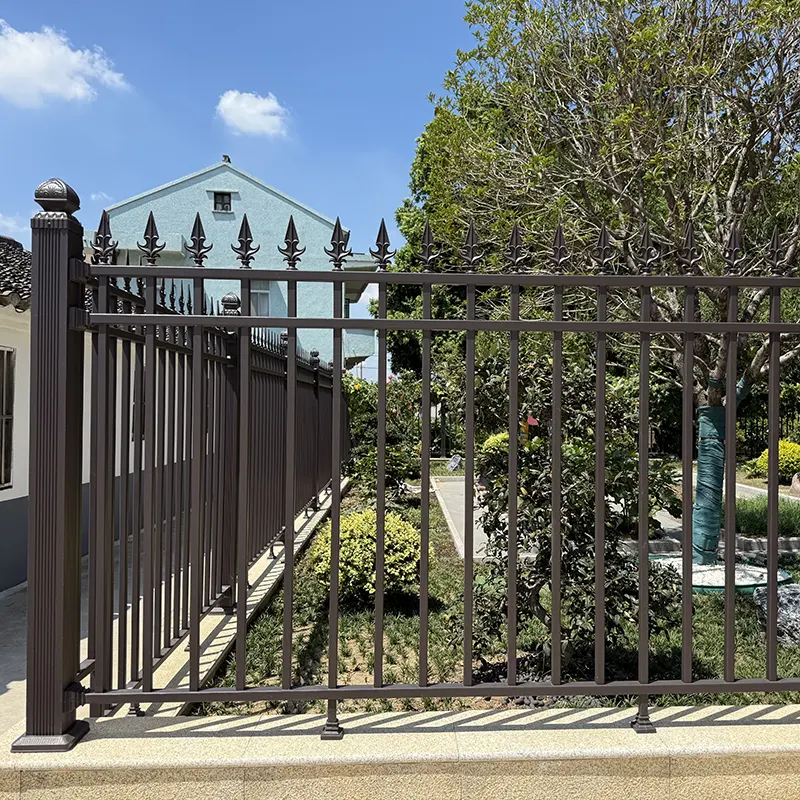
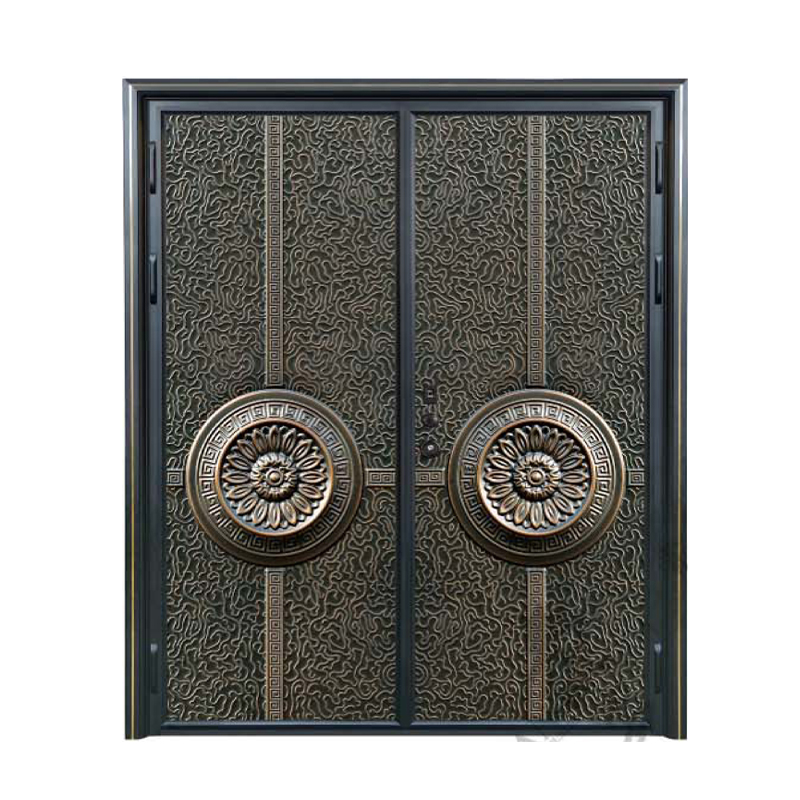
Modern aluminum systems are also designed to support energy efficiency, which is particularly valuable in warm and humid climates. Advanced aluminum doors and windows often incorporate thermal break technology and insulated glazing systems that help reduce heat transfer. These features improve indoor comfort by minimizing heat gain, reducing the workload on air conditioning systems, and lowering energy consumption. Aesthetic versatility is another advantage that makes aluminum ideal for coastal and high-humidity environments. Aluminum can be finished in a wide variety of colors, textures, and styles to suit different architectural preferences. Whether a property features a modern beachfront design, a luxury villa, or a commercial development, aluminum products can be customized to complement the overall architectural vision while maintaining superior environmental performance.
Sustainability is becoming increasingly important in construction, and aluminum contributes positively to environmentally responsible building practices. Aluminum is highly recyclable and can be reused without losing its quality or structural properties. Its long lifespan and low maintenance requirements further reduce resource consumption and waste, making it a sustainable choice for modern building projects. For commercial properties, hotels, resorts, and luxury residences located near the coast, aluminum provides a balance of performance, appearance, and value. Its ability to resist corrosion, maintain structural integrity, and preserve aesthetic appeal helps property owners protect their investment while minimizing ongoing maintenance costs.
As coastal development continues to expand around the world, the demand for durable and reliable building materials will only increase. Aluminum has proven itself as a material that can withstand the challenges of moisture, salt exposure, and extreme weather while delivering exceptional performance and design flexibility. For homeowners, architects, and developers seeking a long-lasting solution, aluminum remains one of the best choices for coastal and high-humidity environments.